Disaster history
The Galveston Hurricane of 1900
The 1900 Galveston hurricane struck a low-lying coastal city at a time when storm warning systems were limited. The disaster influenced later thinking about hurricane warnings, coastal exposure, and major protective projects such as the seawall and grade raising.
What happened
Overview
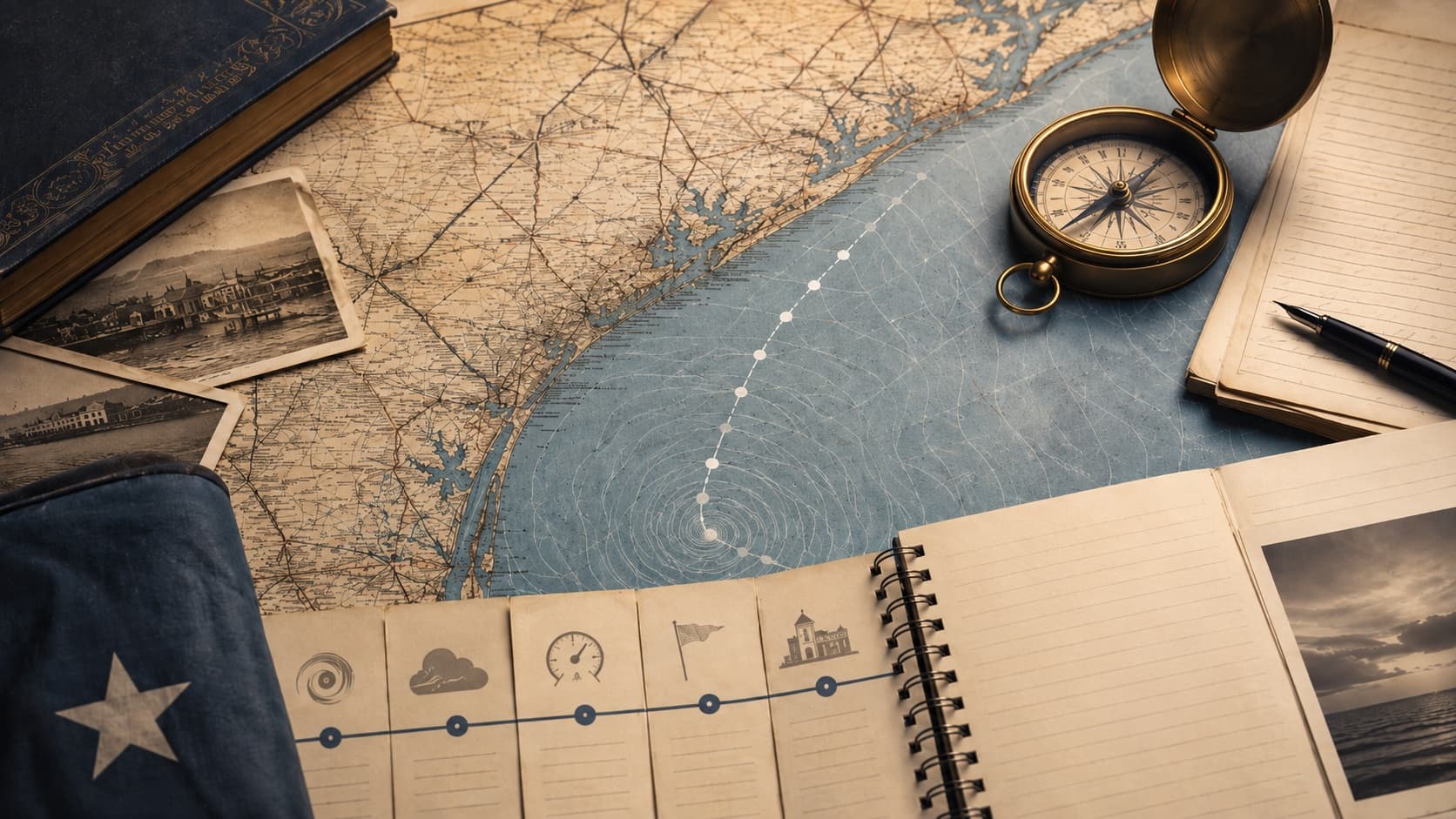
The Galveston hurricane of 1900 is widely regarded as the deadliest natural disaster in United States history, though exact casualty counts vary by source. Galveston was a busy coastal city on a barrier island with low elevation and limited protection from storm surge. Forecasting, communication, and public warning systems were far less developed than they are today, and many residents did not receive or trust timely information about the severity of the approaching storm. After the hurricane, Galveston rebuilt while also undertaking major protective work, including a seawall and a large grade-raising project that elevated portions of the city. Those projects did not remove all future risk, but they became important examples of coastal adaptation after a major disaster. The event remains a careful reminder that warning systems, public trust, building choices, evacuation planning, and long-term land-use decisions all matter in hurricane-prone communities.
Timeline
Key moments
The storm was first detected over the tropical Atlantic, but the exact track and strength were difficult to know with the tools of the time.
The storm moved across the Gulf of Mexico toward the Texas coast. Warning capability and communication between forecasters and the public were limited compared with modern systems.
The hurricane reached Galveston and brought severe wind and storm surge to the low-lying island city.
Community rebuilding included planning and construction of a seawall intended to reduce future surge impacts along the Gulf side of the city.
Galveston also raised the grade of parts of the city, a major engineering effort that became part of the event's long-term legacy.
Why it mattered
- It showed the danger of coastal exposure when a low-lying community faces storm surge.
- It became a landmark event in the history of hurricane warning awareness in the United States.
- It demonstrated how limited communication technology can affect public understanding and response.
- It influenced major coastal protection and elevation projects in Galveston.
- It remains an important example of respectful remembrance, community rebuilding, and changing ideas about coastal risk.
Systems that were stressed
- Storm detection, forecasting, and public warning systems of the early 1900s
- Coastal housing, streets, drainage, and low-elevation infrastructure
- Telegraph, rail, port, and local communication networks
- Emergency sheltering, medical support, and family reunification under historical constraints
- Long-term rebuilding, financing, engineering, and public decision-making systems
Preparedness lessons
- Know whether your home, workplace, or school is in a hurricane evacuation zone or flood-prone area.
- Take official hurricane watches, warnings, and evacuation orders seriously, especially when storm surge is possible.
- Keep more than one way to receive alerts, including options that work if power or internet service is disrupted.
- Store important documents and contact information in a portable, water-resistant way if you live in a flood-prone area.
- Prepare calmly by discussing where your household would go if local officials tell your area to leave.
Community lessons
- Warnings are most effective when they are timely, trusted, repeated, and easy to understand.
- Coastal protection projects can reduce some risks but should be paired with evacuation planning and honest risk communication.
- Historical recovery shows the importance of local leadership, public financing, engineering review, and community participation.
- Barrier island and coastal development decisions need to account for water, access routes, and future storms.
- Commemoration should respect people who were harmed while helping current communities learn without sensationalizing the event.
Sources