Disaster history
Disaster History
Lessons from notable disasters and community recovery. Learn how to prepare for similar events in your area.

Case studies
Learn from notable events
 January 7-31, 2025Palisades FireLos Angeles County, CaliforniaThe Palisades Fire burned during a severe Southern California wind event, damaging Pacific Palisades and nearby communities. It is studied for evacuation, urban wildfire exposure, mutual aid, debris removal, rebuilding, and recovery coordination.
 August 2023Maui Wildfires of 2023Maui, HawaiiThe 2023 Maui wildfires, especially the Lahaina fire, became a defining case study in fast-moving fire, evacuation, communications, water systems, cultural loss, displacement, and long recovery in an island community.
 February 2021The Texas Winter Storm of 2021Texas and the South Central United StatesThe February 2021 winter storm brought extreme cold, ice, snow, widespread power disruption, water system impacts, and household heating concerns to Texas and nearby states. It is studied for grid resilience, winter weather planning, water infrastructure, and safe household decision-making.
 November 2018The Camp Fire of 2018Butte County, CaliforniaThe Camp Fire spread rapidly through parts of Butte County, deeply affecting Paradise, Concow, Magalia, and surrounding communities. It is studied for alerting, evacuation constraints, utility and communications stress, community recovery, and wildfire planning in the wildland-urban interface.
 October 2012Hurricane SandyCaribbean, Mid-Atlantic, and Northeastern United StatesHurricane Sandy brought coastal flooding, power outages, transportation disruption, and building and healthcare impacts across a wide region. It became a major reference point for storm surge planning, evacuation communication, infrastructure resilience, and recovery policy.
 August 2005Hurricane KatrinaNew Orleans and the U.S. Gulf CoastHurricane Katrina affected Louisiana, Mississippi, Alabama, and surrounding areas, with severe flooding in New Orleans after levee failures. The event remains a major case study in evacuation, sheltering, communication, displacement, and long recovery.
 July 1995The Chicago Heat Wave of 1995Chicago, IllinoisThe 1995 Chicago heat wave showed how prolonged heat can become a public health emergency, especially when indoor heat, power or cooling limits, and social isolation overlap. It influenced later heat-health planning and public outreach.
 May 18, 1980The Mount St. Helens Eruption of 1980Southwest WashingtonThe 1980 eruption of Mount St. Helens reshaped volcano monitoring, hazard mapping, public warning, and understanding of volcanic ash impacts. It remains a key event in modern U.S. volcanology.
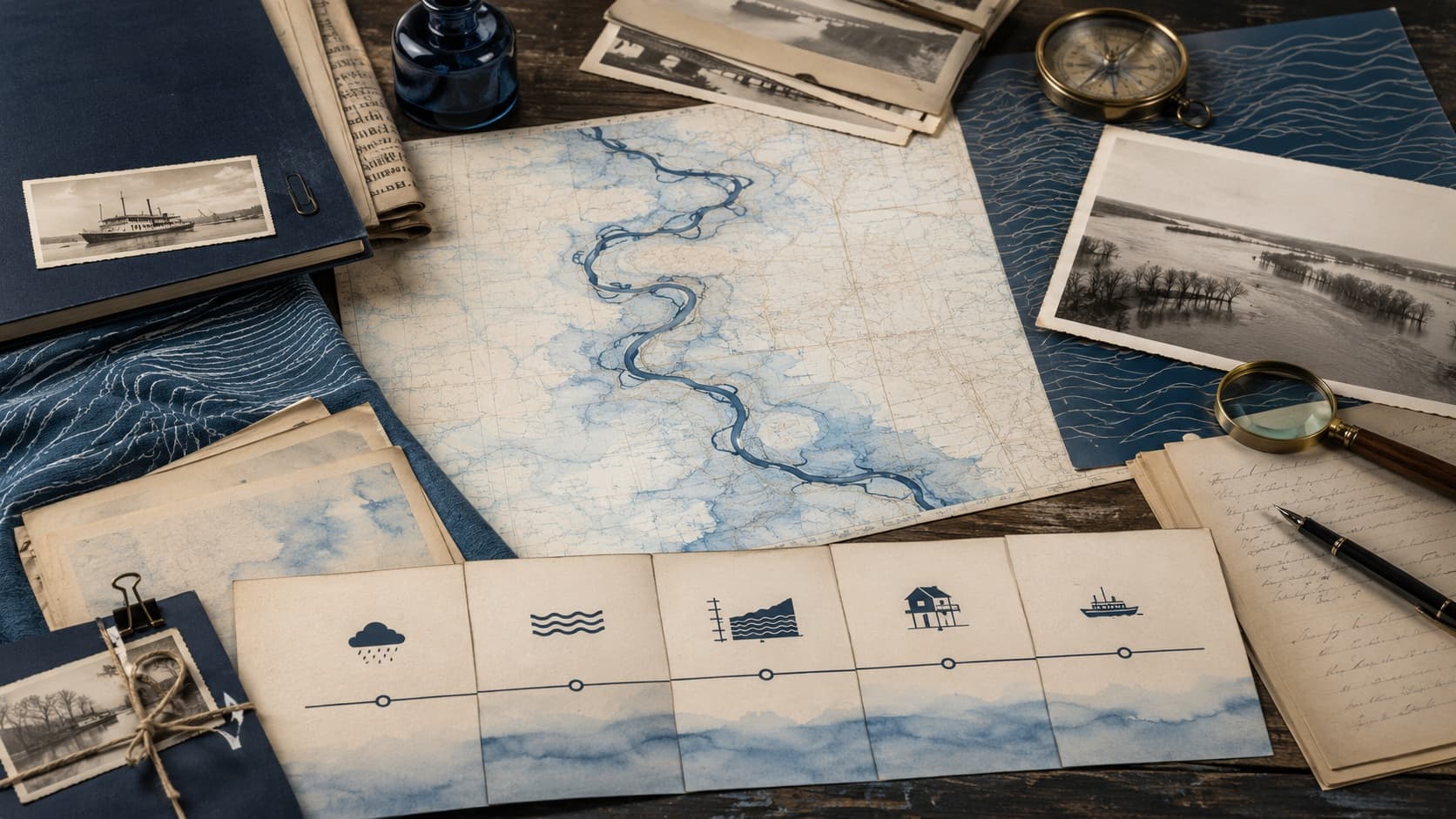 Spring 1927The Great Mississippi Flood of 1927Lower Mississippi River ValleyThe Great Mississippi Flood of 1927 inundated large areas of the lower river valley after months of heavy rainfall and levee pressure. It became a turning point in U.S. flood management, relief planning, transportation awareness, and public discussion of displacement.
 April 18, 1906The San Francisco Earthquake of 1906San Francisco Bay Area, CaliforniaThe 1906 earthquake and the fires that followed placed heavy stress on water, communications, transportation, housing, and public records. It became a major reference point for earthquake science, urban rebuilding, and household preparedness.
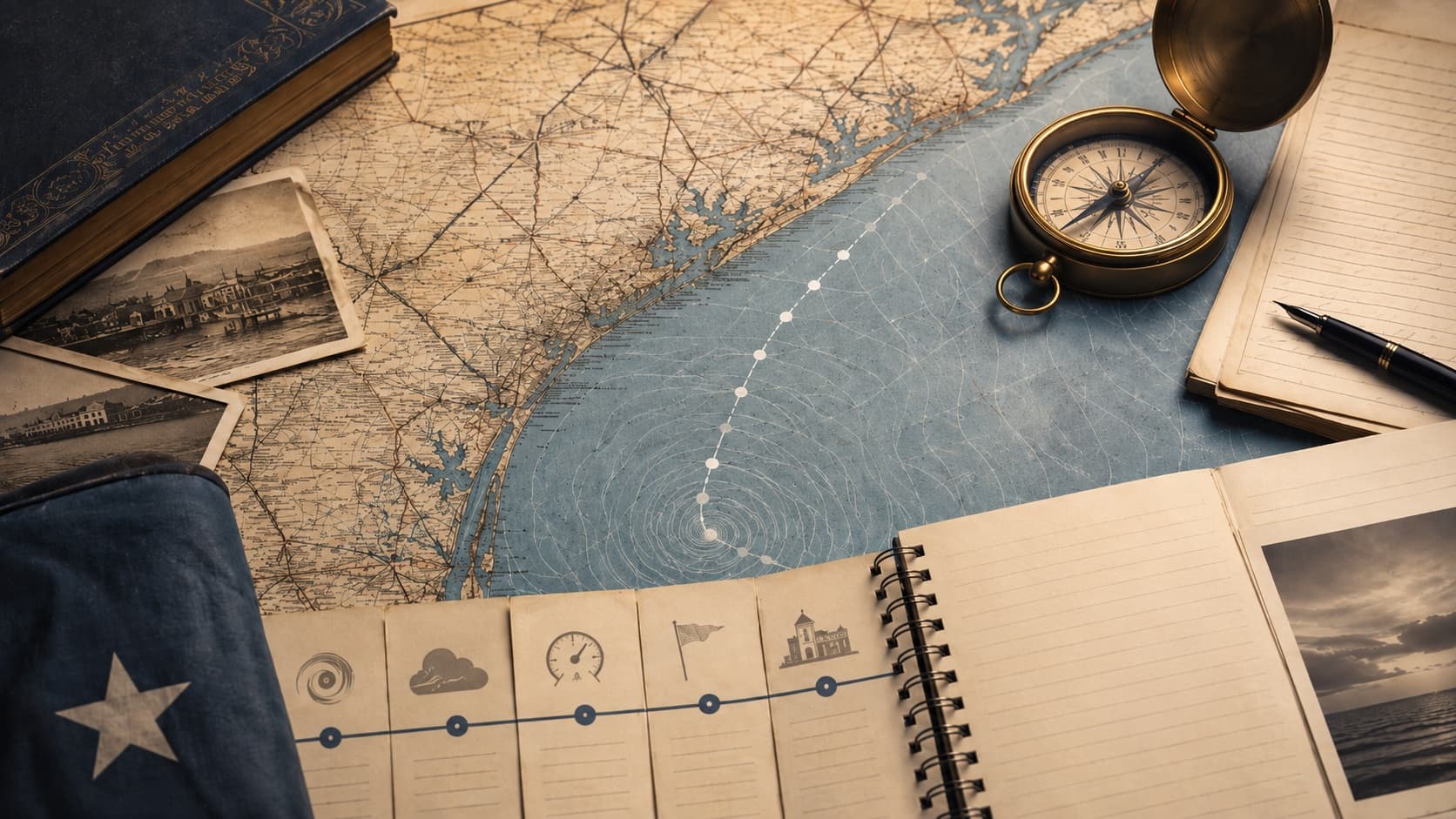 September 8, 1900The Galveston Hurricane of 1900Galveston, TexasThe 1900 Galveston hurricane struck a low-lying coastal city at a time when storm warning systems were limited. The disaster influenced later thinking about hurricane warnings, coastal exposure, and major protective projects such as the seawall and grade raising.
 1883Krakatau EruptionSunda Strait, IndonesiaThe 1883 eruption of Krakatau produced enormous explosions, volcanic collapse, ash, pyroclastic flows, and devastating tsunamis. It became a landmark event in volcanology, tsunami science, global observation, and coastal preparedness.
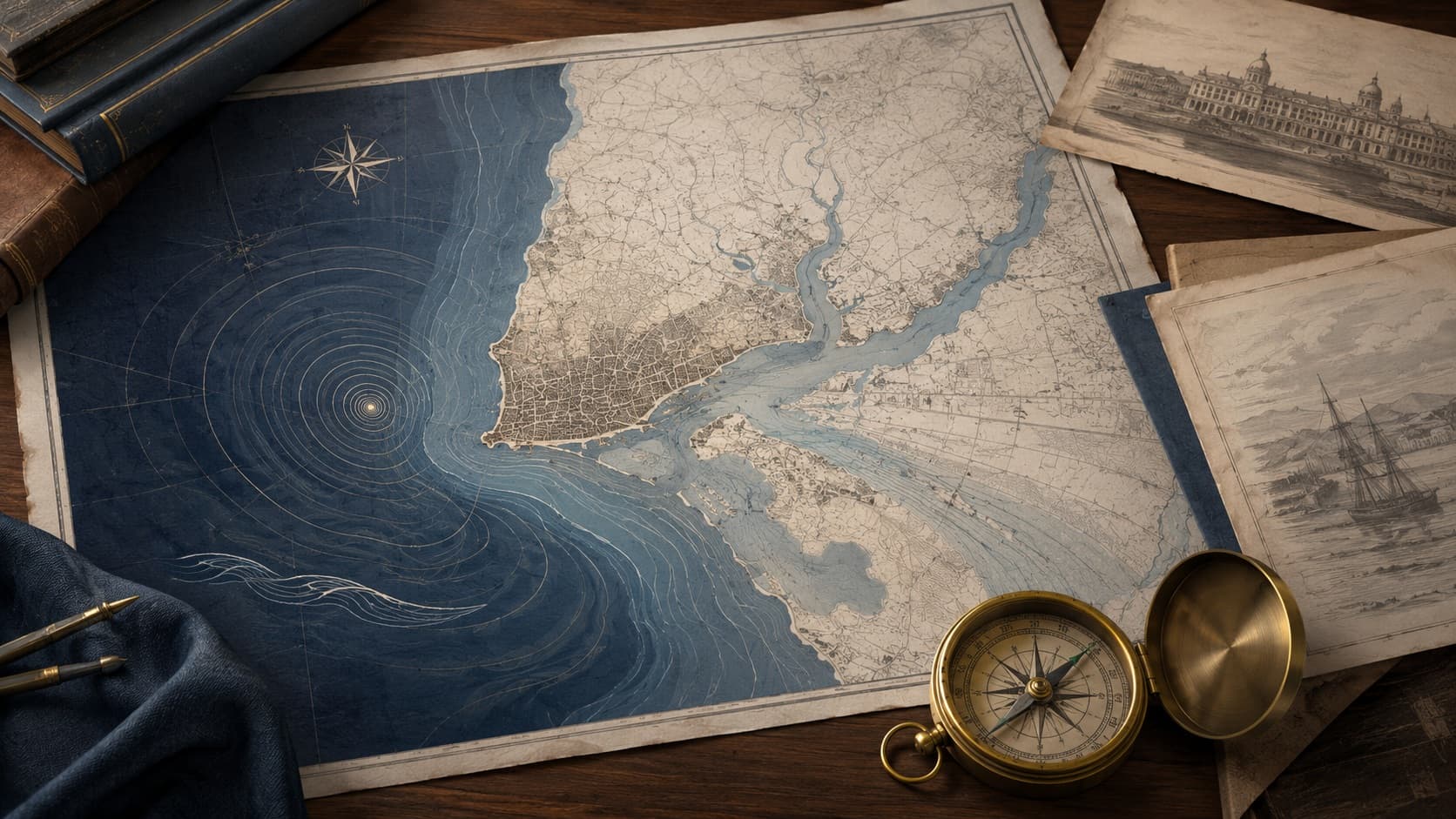 November 1, 1755Lisbon Earthquake, Tsunami, and FiresLisbon, Portugal, and the Atlantic regionThe 1755 Lisbon disaster combined earthquake shaking, tsunami flooding, and major fires. It influenced seismology, urban rebuilding, earthquake-resistant design, tsunami awareness, emergency governance, and public debate across Europe.
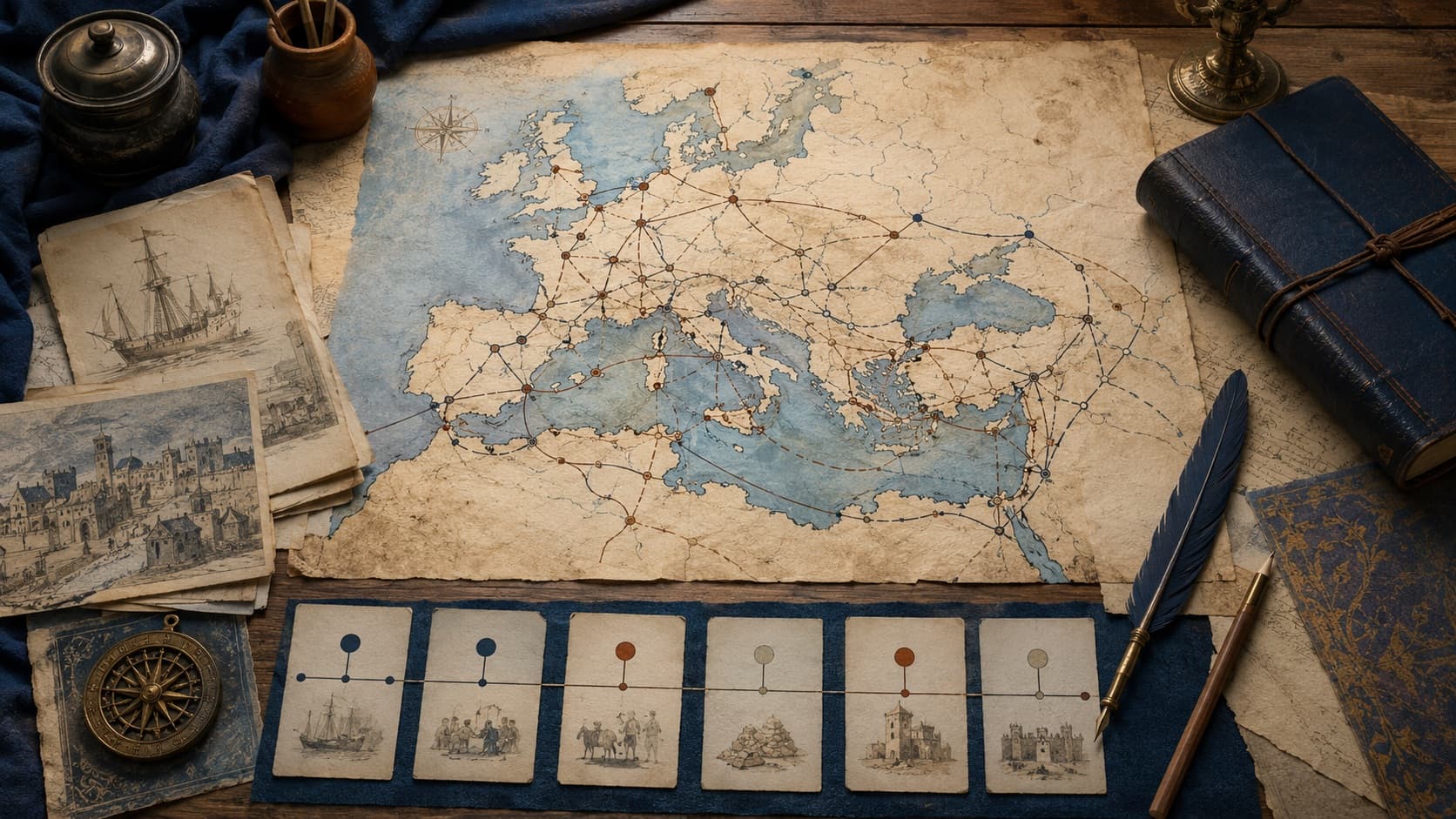 1347-1350sThe Black DeathEurope, North Africa, and parts of AsiaThe Black Death was a major plague pandemic that moved through connected trade, travel, and urban networks. It is studied for public health, communication, social disruption, labor systems, grief, misinformation, and community resilience.
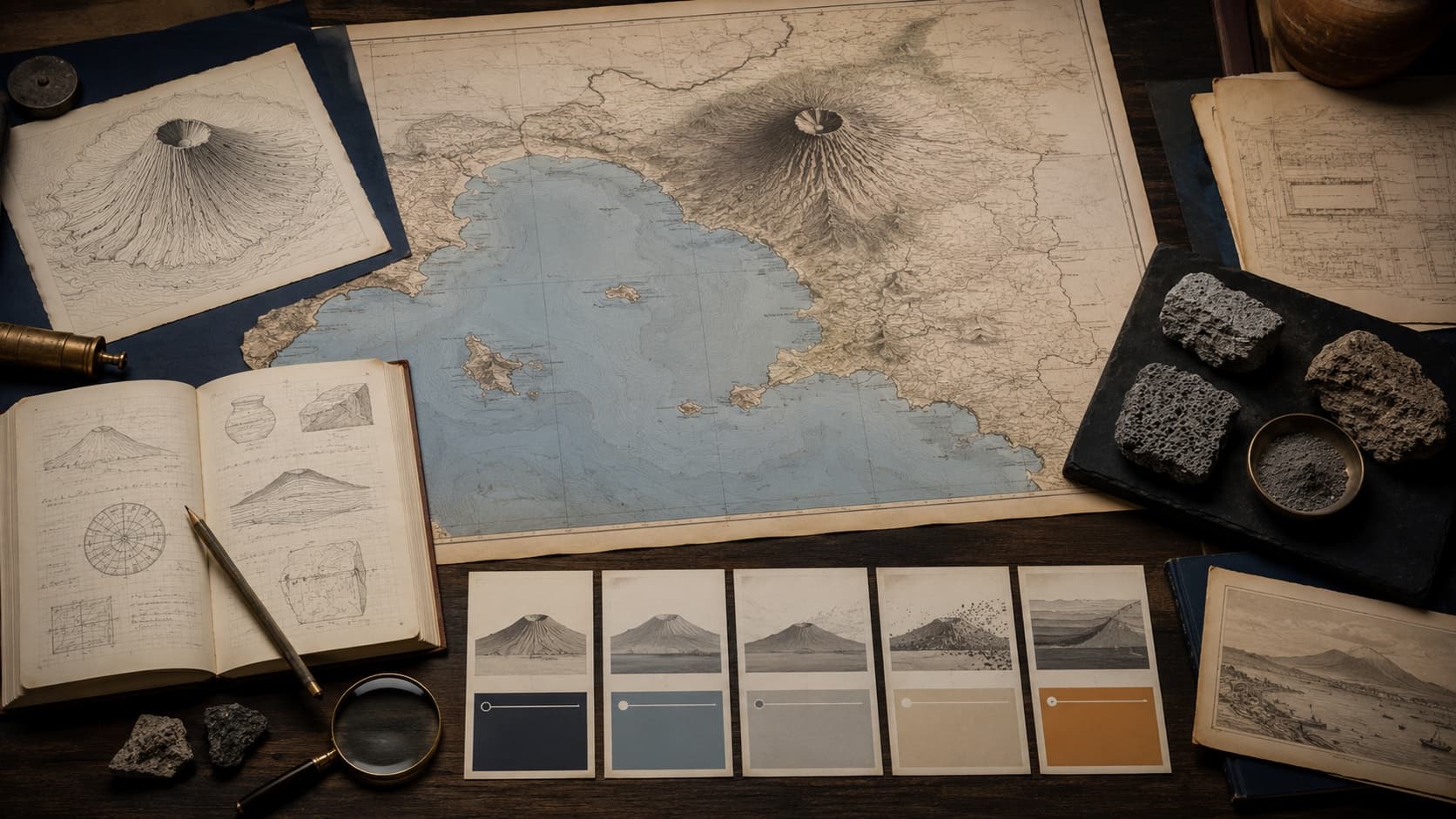 A.D. 79Eruption of Mount Vesuvius and PompeiiCampania, Roman ItalyThe eruption of Mount Vesuvius buried Pompeii, Herculaneum, and nearby communities under volcanic material. It remains a major case study in volcanic hazards, warning signs, evacuation limits, ashfall, pyroclastic flows, and historical memory.
 Biblical story in Genesis 6-9Noah's Flood in GenesisBiblical world and ancient Near Eastern traditionNoah's flood is a story from the Bible, not a modern documented disaster record. It remains culturally important because it connects flood, warning, household action, care for living things, covenant, memory, and moral reflection.
Broader historical context
For related civic and institutional history outside disaster preparedness, America 250 Atlas explores U.S. history, states, presidents, founding ideas, and civic themes, while US Military Atlas provides an educational reference on the United States Armed Forces. Use official emergency sources for active hazards and current safety decisions.

Morgan Hale
Need a practical next step?
Ask Morgan about disasters, preparedness, checklists, supplies, or practical next steps.