Disaster history
Lisbon Earthquake, Tsunami, and Fires
The 1755 Lisbon disaster combined earthquake shaking, tsunami flooding, and major fires. It influenced seismology, urban rebuilding, earthquake-resistant design, tsunami awareness, emergency governance, and public debate across Europe.
What happened
Overview
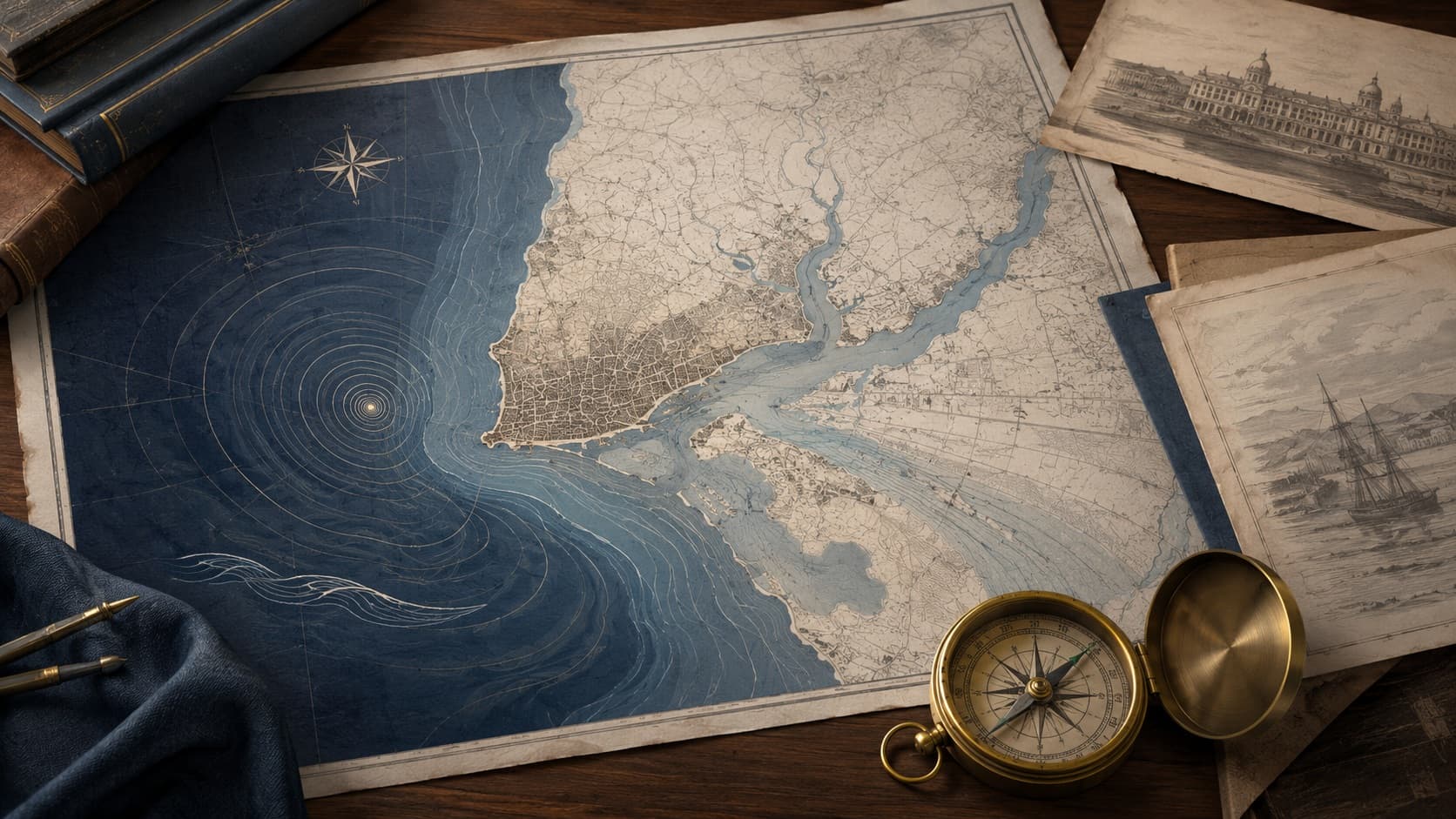
On November 1, 1755, a powerful earthquake struck near Portugal and severely damaged Lisbon. The disaster did not remain a single-hazard event. Shaking damaged buildings and churches, people moved toward open areas and the waterfront, tsunami waves reached the harbor and other Atlantic coasts, and fires burned through parts of the city. The combined impacts caused major loss of life and destroyed homes, churches, public buildings, records, libraries, and infrastructure. The response and rebuilding under the Marquis of Pombal became important in the history of emergency governance, data collection, urban planning, and earthquake-resistant construction. Lisbon remains a landmark case because it shows how earthquake, tsunami, and fire can cascade through a city and how recovery decisions can reshape the built environment for generations.
Timeline
Key moments
Strong earthquake shaking damaged Lisbon and other areas on All Saints' Day.
Survivors moved through damaged streets while buildings, churches, records, utilities of the time, and public order were disrupted.
Tsunami waves reached Lisbon's waterfront and other Atlantic locations, adding flooding to the earthquake damage.
Fires spread through parts of Lisbon, creating another layer of destruction after the earthquake and tsunami.
Relief, debris removal, data collection, rebuilding, and urban redesign reshaped Lisbon and influenced later earthquake science.
Why it mattered
- It became one of Europe's most influential earthquake disasters and changed thinking about urban risk.
- It showed how earthquake shaking can be followed by tsunami flooding and fires, creating cascading impacts.
- It influenced early systematic data collection about earthquake effects across a broad area.
- It shaped rebuilding practices, including wider streets, organized urban design, and early seismic-resistant construction ideas.
- It affected European philosophy, religion, governance, science, and public debate about disasters.
Systems that were stressed
- Stone buildings, churches, hospitals, public buildings, records, libraries, streets, and waterfront areas
- Fire control, water access, debris removal, public order, burial practices, and emergency governance
- Ports, trade, warehouses, ships, coastal communities, and Atlantic tsunami awareness
- Housing, food, medical care, displaced residents, workers, and rebuilding labor
- Urban planning, engineering, finance, insurance-like arrangements, archives, and scientific data collection
Preparedness lessons
- In earthquake areas, know safe actions for shaking and understand that aftershocks, fire, and damaged utilities may follow.
- Near coasts, learn tsunami evacuation routes and move to higher ground when official guidance or natural warning signs indicate danger.
- Keep important records backed up and portable because documents can be lost along with buildings.
- Plan for cascading disruptions, including transportation, power, water, fire, communications, and access to care.
- Prepare calmly by learning the official earthquake and tsunami guidance for the places where you live, work, and travel.
Community lessons
- Cities should plan for multi-hazard disasters rather than treating earthquake, tsunami, fire, and recovery as separate problems.
- Post-disaster data collection can improve future building, planning, and public education decisions.
- Rebuilding choices should consider safety, access, public space, housing, records, and the needs of displaced residents.
- Tsunami education should explain natural warning signs and official evacuation routes before an event occurs.
- Historical disasters should be remembered as human events as well as engineering and scientific turning points.
Sources