Hurricanes and tropical storms
Florida can experience hurricane-force winds, heavy rain, tornadoes, coastal impacts, evacuation decisions, and long disruptions during tropical systems.
South preparedness
Florida households prepare for hurricanes, storm surge, flooding, extreme heat, severe thunderstorms, tornadoes, wildfire risk, and power outages. Because many hazards can affect travel, utilities, homes, pets, and communication, the most useful plan is simple, local, and ready before storm season or extreme weather develops.
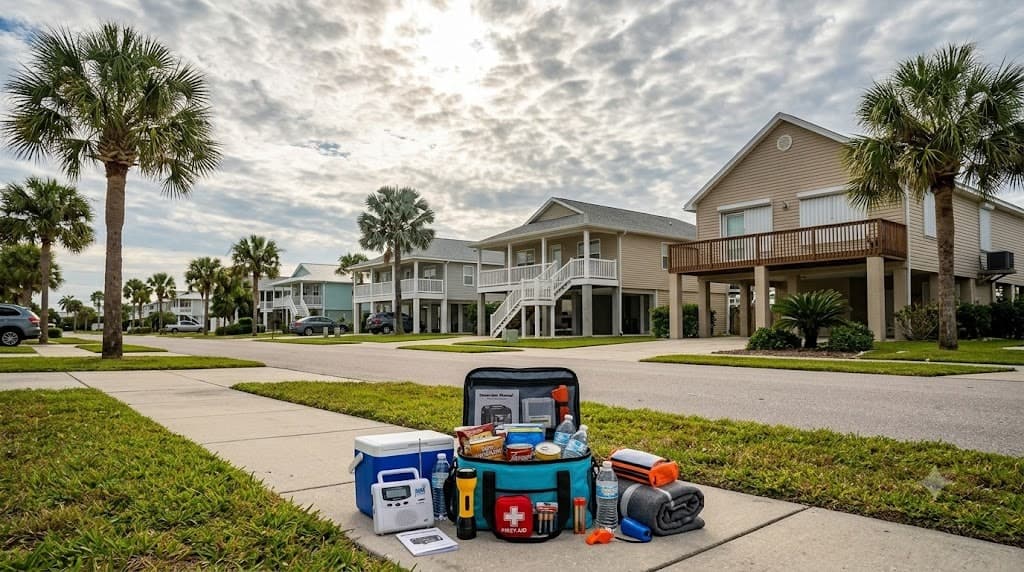
Florida’s long coastline, low-lying areas, warm climate, wetlands, dense communities, and tourism economy create a broad preparedness picture. Hurricanes and tropical storms can bring wind, storm surge, heavy rainfall, flooding, tornadoes, and long power outages. Severe thunderstorms can also bring lightning, hail, damaging wind, localized flooding, and brief tornadoes outside of hurricane season. Extreme heat is a frequent concern, especially for outdoor workers, older adults, young children, pets, and households without reliable cooling. Drought and dry vegetation can increase wildfire risk in some areas, including wildland-urban interface communities. Florida households should start by knowing their evacuation zone, signing up for local alerts, preparing for outages, keeping supplies ready, reviewing insurance and documents, and following local officials when evacuation, shelter, or road safety instructions are issued.
Florida
Florida can experience hurricane-force winds, heavy rain, tornadoes, coastal impacts, evacuation decisions, and long disruptions during tropical systems.
Coastal areas may face life-threatening water rise, wave action, flooded roads, and evacuation needs during hurricanes and strong coastal storms.
Heavy rain, tropical systems, urban drainage limits, rivers, canals, and low-lying neighborhoods can create flood problems across the state.
Hot, humid weather can affect daily routines, outdoor activity, pets, transportation, and households without dependable cooling.
Florida storms can bring frequent lightning, damaging wind, hail, heavy rain, and tornadoes, including tornadoes connected to tropical systems.
Dry periods, wind, vegetation, lightning, and development near natural areas can increase wildfire and smoke concerns in some communities.
Outages can happen during hurricanes, thunderstorms, heat, wildfire conditions, infrastructure damage, or other utility disruptions.
State preparedness source for household planning, disaster supply kits, evacuation zones, hurricanes, flooding, and other Florida hazards.
State resource for understanding evacuation zones and local evacuation planning before hurricanes or coastal flooding.
NOAA source for hurricane hazards, storm surge, watches and warnings, evacuation planning, and tropical weather preparedness.
Federal weather safety source for hurricanes, floods, lightning, tornadoes, heat, rip currents, and severe thunderstorms.
State wildfire prevention and education resource for Florida communities, including wildfire risk reduction and fire safety awareness.
Federal public health information about extreme heat, heat-related illness prevention, and practical heat safety steps.
Educational state history profile for Florida from America250Atlas, a visual guide for the United States 250th anniversary.
Morgan Hale
Ask Morgan about disasters, preparedness, checklists, supplies, or practical next steps.