Severe thunderstorms and damaging wind
Strong thunderstorms in Georgia can bring damaging straight-line winds, lightning, hail, heavy rain, downed trees, blocked roads, and power outages.
South preparedness
Georgia faces a mix of inland, coastal, and Southern weather hazards, including severe thunderstorms, tornadoes, flooding, extreme heat, hurricanes or tropical remnants, winter weather, and power outages.
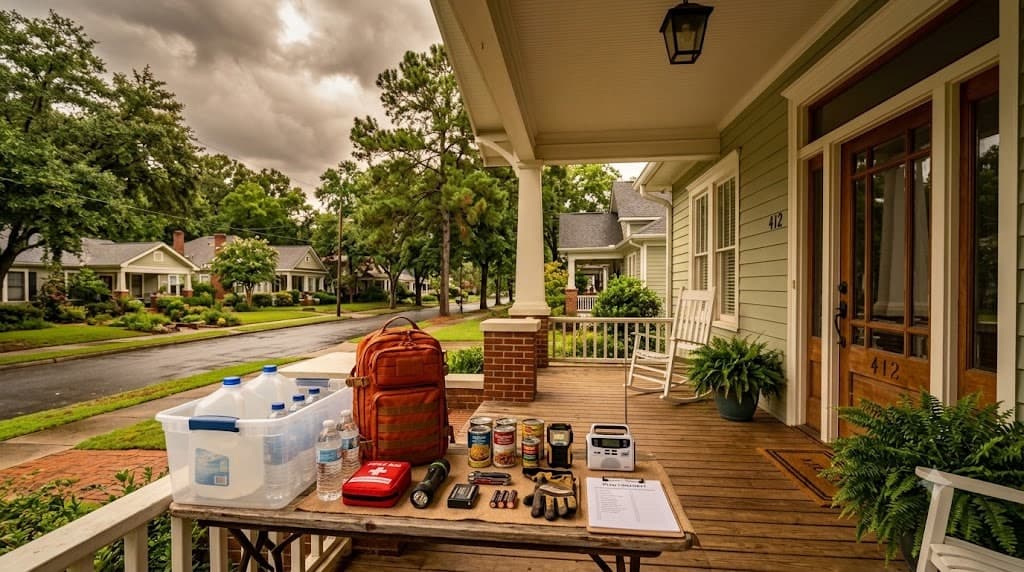
Georgia preparedness should account for fast-changing weather, regional differences, and the possibility that hazards can overlap. Severe thunderstorms may bring damaging wind, lightning, hail, tornadoes, heavy rain, and outages. Coastal and inland communities can be affected by hurricanes, tropical storms, or weakening tropical systems that still produce flooding, wind, and power disruptions. Summer heat and humidity can strain households, while occasional snow or ice can create travel and utility problems. Households should follow local alerts, know where to shelter, keep basic supplies ready, plan for pets and family communication, and use official guidance from emergency management, weather, public health, transportation, and utility sources.
Georgia
Strong thunderstorms in Georgia can bring damaging straight-line winds, lightning, hail, heavy rain, downed trees, blocked roads, and power outages.
Tornadoes can occur in Georgia, especially during severe weather seasons, and households should know where to shelter quickly on the lowest practical level and away from windows.
Heavy rain from thunderstorms or tropical systems can cause flash flooding, river flooding, urban flooding, and dangerous road conditions in low-lying areas.
Georgia heat and humidity can create health and comfort concerns, especially for older adults, children, outdoor workers, pets, and households without reliable cooling.
Georgia can be affected by Atlantic or Gulf tropical systems through coastal impacts, inland wind, heavy rain, flooding, tornadoes, and extended power outages.
Snow, sleet, freezing rain, and ice can affect roads, schools, utilities, and daily routines, even when amounts are limited compared with colder regions.
Outages may follow thunderstorms, tropical weather, falling trees, ice, heat-related demand, or equipment problems, so households should plan for lighting, charging, food safety, and communication.
State emergency management resources, preparedness information, and severe weather safety guidance for Georgia residents.
State overview of disaster types that have affected Georgia, including hurricanes, tornadoes, severe storms, wildfires, and floods.
Weather safety information, forecast office resources, and hazard education for much of Georgia.
State guidance on preparing for and responding to extreme heat and humidity.
Official transportation information useful for checking road conditions during storms, flooding, winter weather, and evacuations.
Historical summary of major weather and climate disaster events affecting Georgia.
Educational state history profile for Georgia from America250Atlas, a visual guide for the United States 250th anniversary.
Morgan Hale
Ask Morgan about disasters, preparedness, checklists, supplies, or practical next steps.