Winter storms, ice, and extreme cold
Michigan winters can bring snow, ice, freezing rain, extreme cold, poor road conditions, heating concerns, and outages that affect daily routines and travel.
Midwest preparedness
Michigan faces a Great Lakes mix of hazards, including winter storms, lake-effect snow, severe thunderstorms, tornadoes, flooding, extreme heat, power outages, and shoreline hazards.
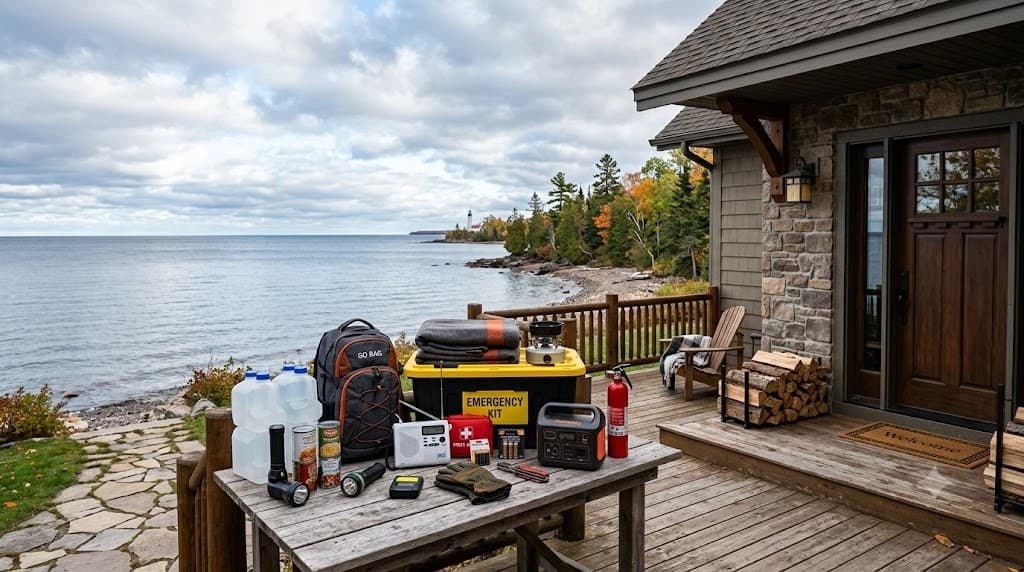
Michigan preparedness should reflect long winters, fast-changing severe weather, and the state’s extensive Great Lakes shoreline. Winter storms, ice, extreme cold, and lake-effect snow can affect travel, heating, and power. Spring and summer can bring severe thunderstorms, tornadoes, heavy rain, flooding, heat, and outages. Communities along the Great Lakes may also face shoreline flooding, erosion, high waves, and dangerous coastal conditions. Households should use official alerts, keep supplies ready for both cold and hot weather, plan for outages, avoid flooded roads, and follow guidance from local emergency management, weather, transportation, public health, and utility officials.
Michigan
Michigan winters can bring snow, ice, freezing rain, extreme cold, poor road conditions, heating concerns, and outages that affect daily routines and travel.
Areas near the Great Lakes can receive narrow, intense snow bands that create sharp changes in visibility, road conditions, and snowfall amounts over short distances.
Strong storms can bring damaging winds, lightning, hail, tornadoes, heavy rain, downed trees, blocked roads, and power outages across the state.
Heavy rain, snowmelt, ice jams, saturated ground, and overwhelmed drainage can lead to river flooding, urban flooding, basement flooding, and dangerous roads.
Hot and humid summer weather can strain households, especially older adults, children, outdoor workers, pets, and people without reliable cooling.
Outages can follow windstorms, ice, heavy snow, thunderstorms, falling trees, heat-related demand, or equipment problems, making backup lighting, charging, and communication important.
Michigan shoreline communities can face coastal flooding, erosion, high waves, strong winds, and hazardous nearshore conditions along the Great Lakes.
State preparedness resources for Michigan residents, including alerts, family planning, emergency kits, severe weather, floods, power outages, extreme heat, and winter weather.
State emergency management agency resources, programs, local emergency management links, response and recovery information, and hazard preparedness support.
Weather safety and forecast office resources for southeast Michigan, including severe storms, tornadoes, winter weather, flooding, heat, and marine hazards.
Weather safety and forecast office resources for western and central Michigan, including lake-effect snow, severe weather, flooding, heat, and winter storms.
State information on Great Lakes shoreland issues, including shoreline management and erosion-related concerns.
Historical summary of major weather and climate disaster events affecting Michigan.
Educational state history profile for Michigan from America250Atlas, a visual guide for the United States 250th anniversary.
Morgan Hale
Ask Morgan about disasters, preparedness, checklists, supplies, or practical next steps.