Hurricanes and Tropical Storms
New Jersey is affected by remnants of tropical systems bringing heavy rain, high winds, and coastal flooding, especially from August to October.
Northeast preparedness
New Jersey's coastal location and dense population make it vulnerable to a range of natural hazards. Being prepared with a family plan, emergency kit, and knowledge of local risks helps protect lives and property.
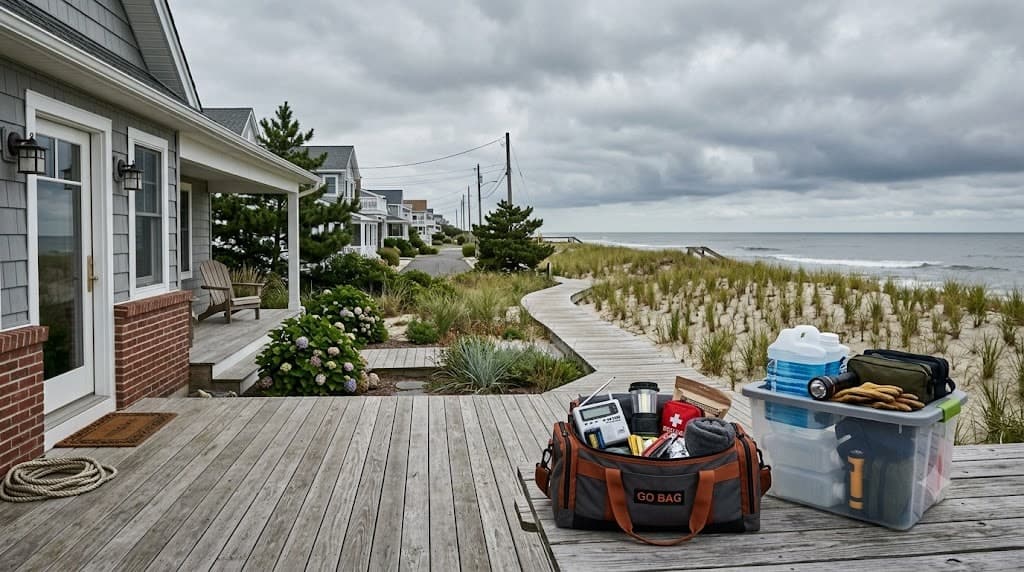
New Jersey experiences frequent impacts from coastal storms, nor'easters, and tropical systems that bring heavy rain, strong winds, and storm surge. Inland flooding, severe thunderstorms, winter storms with heavy snow and ice, extreme heat, and power outages are also common. The state's emergency management emphasizes household readiness, staying informed through official channels, and building resilience against these recurring threats.
New Jersey
New Jersey is affected by remnants of tropical systems bringing heavy rain, high winds, and coastal flooding, especially from August to October.
Nor'easters and tropical systems cause dangerous storm surge, beach erosion, and widespread coastal flooding along the Jersey Shore.
Riverine, flash, and urban flooding occur statewide, often from heavy rainfall associated with storms or thunderstorms.
Blizzards, ice storms, and heavy snow lead to dangerous travel, power outages, and cold exposure risks across the state.
High winds, hail, lightning, and heavy downpours can cause flash flooding, wind damage, and power disruptions.
Prolonged high temperatures and heat waves pose health risks, especially in urban areas with limited cooling options.
Frequent during storms and winter weather; can last days or weeks, affecting heating, cooling, and essential services.
State preparedness information, alerts, and hurricane survival guide.
National preparedness resources and emergency kit guidance.
Local forecasts, watches, and warnings for New Jersey.
Tropical storm and hurricane tracking and preparedness.
24/7 disaster and preparedness information hotline.
Detailed information on state hazards and risk reduction.
Educational state history profile for New Jersey from America250Atlas, a visual guide for the United States 250th anniversary.
Morgan Hale
Ask Morgan about disasters, preparedness, checklists, supplies, or practical next steps.