Severe thunderstorms and damaging winds
Ohio often experiences strong thunderstorms that can bring damaging straight-line winds, hail, lightning, heavy rain, downed trees, blocked roads, and power outages.
Midwest preparedness
Ohio faces a mix of Midwest and Great Lakes hazards, including severe thunderstorms, tornadoes, flooding, winter storms, lake-effect snow in northern counties, extreme heat, and weather-related power outages.
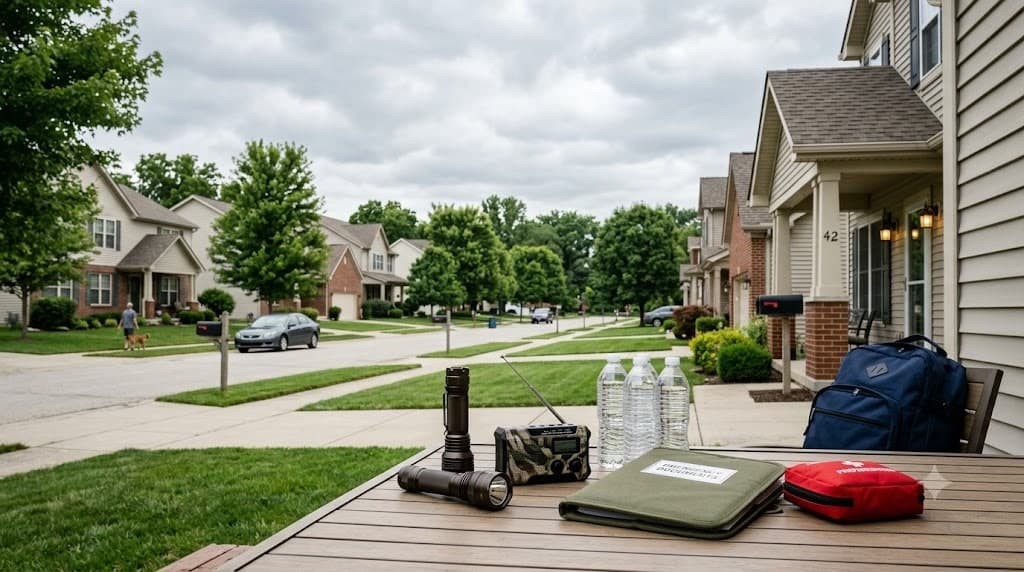
Ohio preparedness starts with planning for rapidly changing weather. Spring and summer can bring damaging winds, lightning, hail, tornadoes, flash flooding, heat, and outages. Fall and winter can bring snow, ice, cold, and lake-effect snow in areas near Lake Erie. Households should use local alerts, know safe shelter locations, keep basic supplies ready, plan for medications and devices with help from appropriate professionals, and follow instructions from local emergency management, public health, transportation, and utility officials.
Ohio
Ohio often experiences strong thunderstorms that can bring damaging straight-line winds, hail, lightning, heavy rain, downed trees, blocked roads, and power outages.
Tornadoes can occur in Ohio, especially during severe weather seasons, and require households to know where to shelter quickly, away from windows and on the lowest practical level.
Heavy rain can cause river, stream, urban, and flash flooding across the state. Low-water crossings, basements, and flood-prone roads need special attention during preparedness planning.
Snow, sleet, freezing rain, ice, and extreme cold can affect travel, heating, communications, and household routines throughout Ohio.
Communities near Lake Erie can receive localized bands of heavy snow that create sharp differences in road conditions over short distances, especially in Northeast Ohio snowbelt areas.
Hot, humid weather can strain households, older adults, outdoor workers, pets, and people without reliable cooling, especially when heat overlaps with outages.
Outages can follow thunderstorms, wind, ice, snow, heat-related demand, or equipment problems. Preparedness should include lighting, charging, food safety, communications, and backup plans.
State preparedness information and seasonal awareness resources for Ohio residents.
State hazard context for Ohio natural, technological, and human-caused risks.
Weather safety, forecast office information, and hazard education for northern Ohio and nearby areas.
Public health information on heat-related illness prevention and response.
Consumer guidance for preparing for and responding to electric service interruptions.
Historical summary of major weather and climate disaster events affecting Ohio.
Educational state history profile for Ohio from America250Atlas, a visual guide for the United States 250th anniversary.
Morgan Hale
Ask Morgan about disasters, preparedness, checklists, supplies, or practical next steps.