Hurricanes and tropical remnants
Virginia can be affected by Atlantic tropical systems that bring strong wind, heavy rain, flooding, tornadoes, coastal impacts, and long power outages, including far inland from the coast.
South preparedness
Virginia faces coastal, Piedmont, and mountain-region hazards, including hurricanes or tropical remnants, flooding, coastal storm surge, severe storms, tornadoes, winter weather, heat, and power outages.
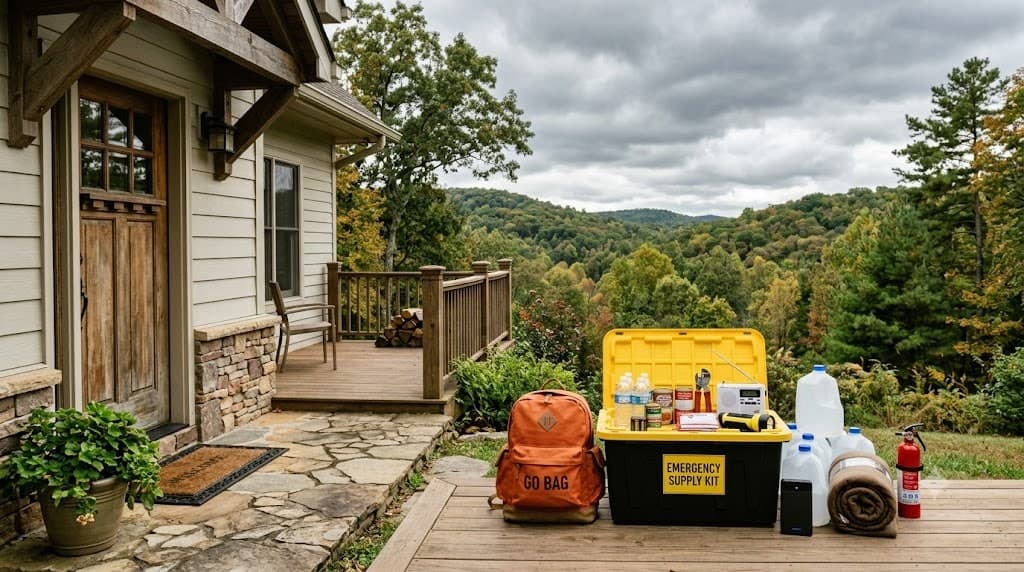
Virginia preparedness should reflect the state’s regional differences. Coastal and Tidewater communities may need to plan for hurricanes, storm surge, coastal flooding, evacuation zones, and extended outages. Central and northern Virginia can experience severe thunderstorms, tornadoes, flooding, winter storms, heat, and transportation disruptions. Mountain and valley communities should also consider steep terrain, localized flooding, winter weather, and road access issues. Households should use official alerts, know where to shelter, keep supplies ready, avoid flooded roads, plan for outages, and follow guidance from local emergency management, weather, transportation, public health, and utility officials.
Virginia
Virginia can be affected by Atlantic tropical systems that bring strong wind, heavy rain, flooding, tornadoes, coastal impacts, and long power outages, including far inland from the coast.
Heavy rain from storms, tropical systems, or stalled weather patterns can cause river flooding, urban flooding, flash flooding, and dangerous road conditions across the state.
Coastal Virginia and communities along tidal waters can face storm surge, tidal flooding, high water, wave action, and evacuation concerns during tropical or coastal storms.
Strong storms can bring damaging wind, lightning, hail, tornadoes, heavy rain, downed trees, blocked roads, and power outages.
Snow, sleet, freezing rain, ice, and cold can affect travel, heating, schools, utilities, and household routines, especially when ice damages trees or power lines.
Hot, humid weather can strain households, especially older adults, children, outdoor workers, pets, and people without reliable cooling or safe indoor options.
Outages may follow hurricanes, severe storms, ice, snow, falling trees, heat-related demand, or equipment problems, making backup lighting, charging, food safety, and communication important.
State emergency management agency with preparedness, response, recovery, hazard, and public information resources for Virginia residents.
State guidance on hurricane risks, including heavy rain, wind, flooding, tornadoes, storm surge, and inland impacts.
Official hurricane evacuation zone information for coastal Virginia residents and visitors.
Weather safety and forecast office resources for much of eastern and central Virginia, including tropical, coastal, severe storm, winter, flood, and heat hazards.
Official Virginia road condition, traffic, travel alert, and evacuation route information useful during storms and other disruptions.
State preparedness information for extreme heat, including cooling, activity, clothing, and heat illness awareness.
Educational state history profile for Virginia from America250Atlas, a visual guide for the United States 250th anniversary.
Morgan Hale
Ask Morgan about disasters, preparedness, checklists, supplies, or practical next steps.